Readiness case studies

Three composite scenarios built from common emergency patterns, showing exactly how a squad's pooled skills change the outcome.

These are illustrative composite scenarios, not accounts of named customers. We don't publish member stories or reviews without written permission — as real squads opt in, their words will replace these examples.

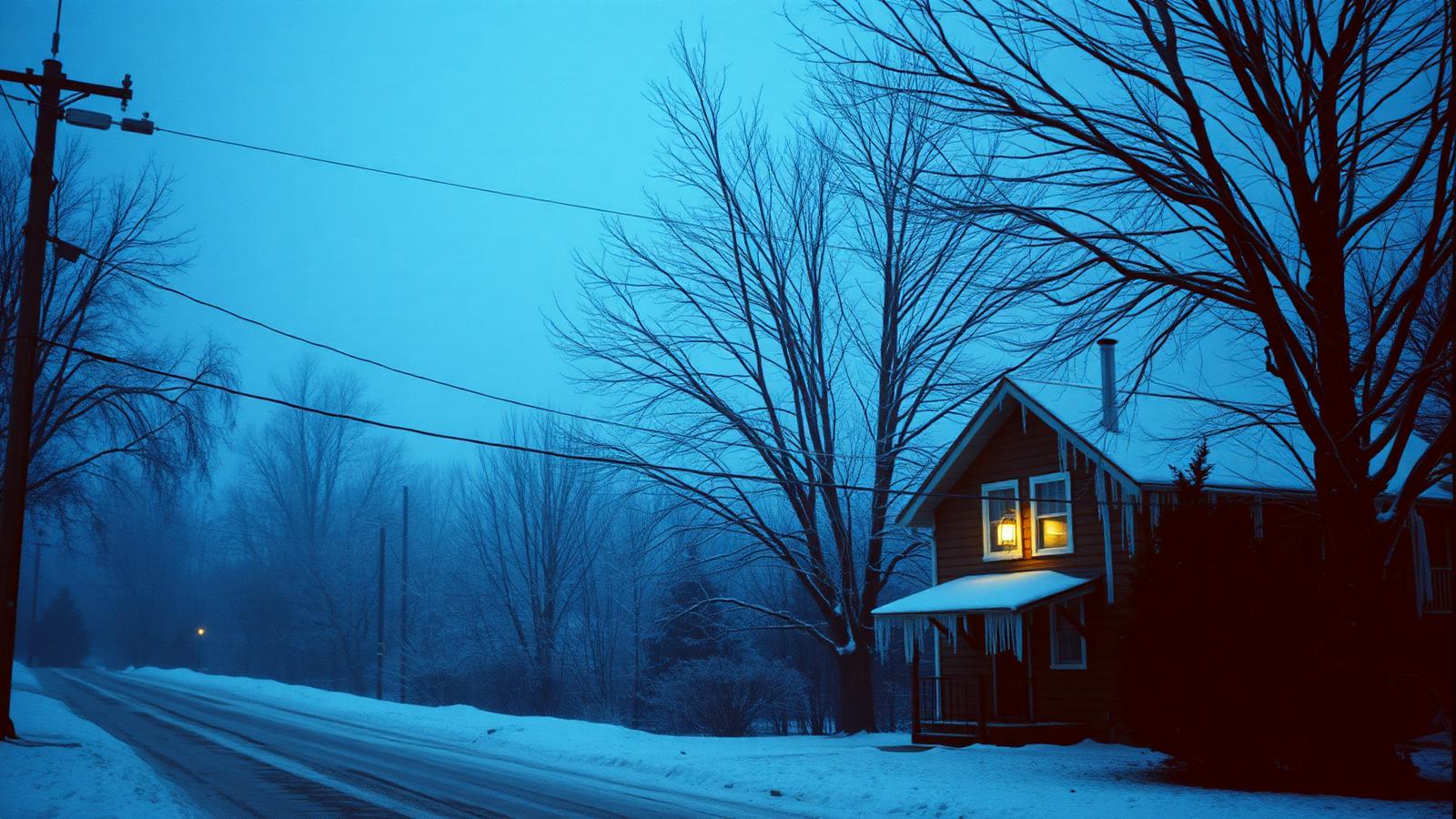
Ice-coated trees and power lines over a dark rural road, one house lit by a single lantern
Multi-day ice storm

Six households, one generator schedule

The situation

A regional ice storm drops power for 72 hours across a rural county. Cell service is intermittent, roads are impassable for the first day, and overnight temperatures sit in the teens.

The gap

Each household owned overlapping gear — three chainsaws, zero medical training, no shared heat plan.

Who did what

  • Retired paramedicTrauma and hypothermia care; assembled a shared med kit list
  • ElectricianSafe generator interlock and a rotating charge schedule
  • Ham operator (General class)2m simplex net check-ins at 08:00 and 20:00
  • Homeschooling parentWarming-house duty for four children and two elders

Outcome

The squad consolidated into two heated homes on night one, ran a fixed radio schedule when phones failed, and cleared the shared access road with pooled saws by day two.

Consolidating households beats duplicating supplies. The plan only worked because the radio schedule was written down before the outage.
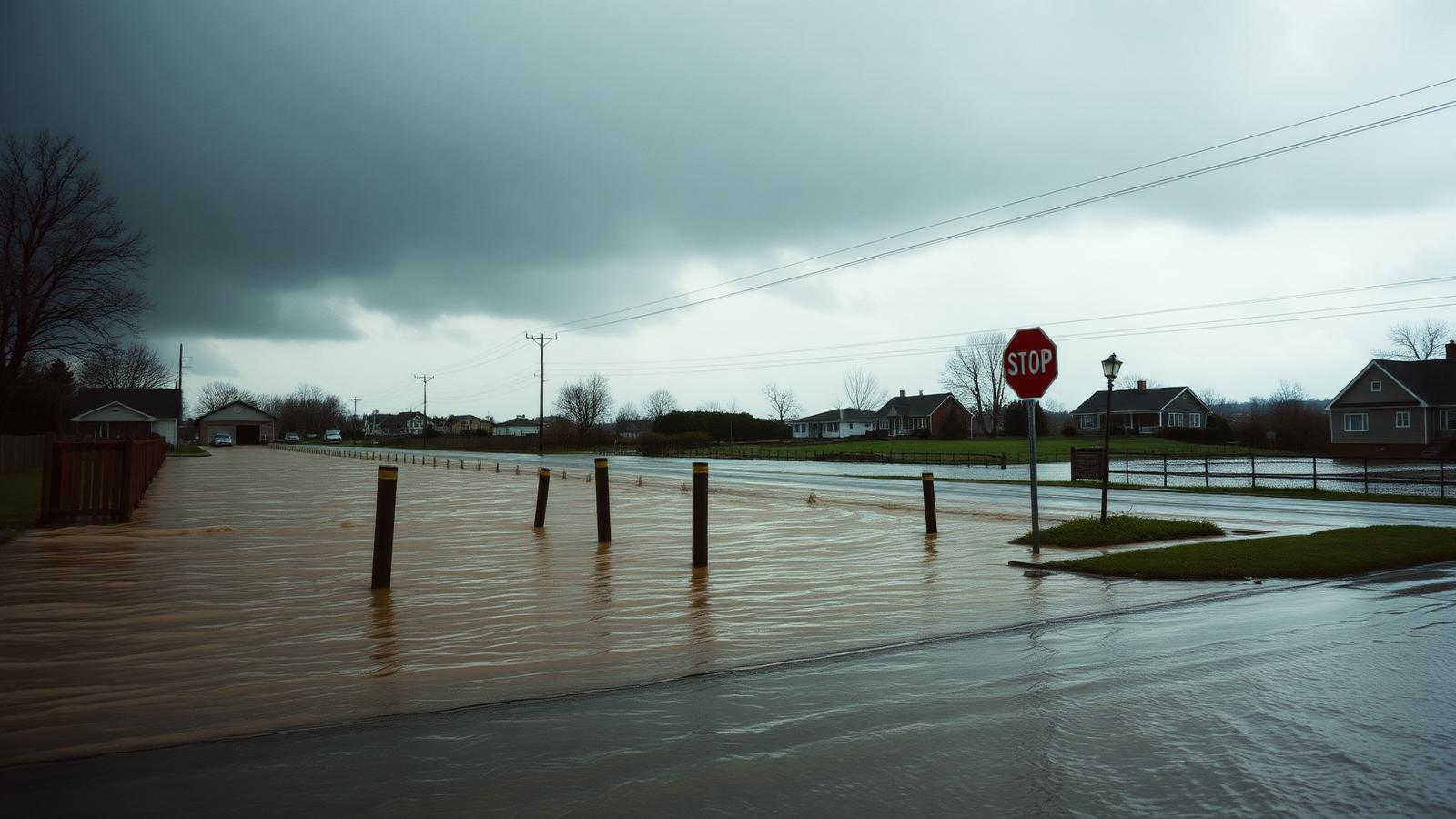
Brown floodwater covering a rural road past submerged fence posts under heavy storm clouds
Flash flooding

Two rally points and a written contact tree

The situation

A stalled storm system dumps eight inches overnight. The primary neighborhood exit floods, and a family is split between work, school and home when the water rises.

The gap

Everyone assumed 'we'll just text' — with no fallback meeting point above the floodplain.

Who did what

  • Route plannerPrimary and secondary rally points on high ground, with driving and walking routes
  • Truck owner (4x4)Assigned pickup for two households without high-clearance vehicles
  • Water treatment hobbyistFiltration and boil-water guidance once the municipal advisory hit
  • Records keeperOffline packet printed and stored in every go-bag and glovebox

Outcome

All members reached rally point B within four hours without a single completed phone call, because the packet listed the point, the route and the contact order.

A meeting point is worthless if it lives only in an app you can't open. Print the packet.

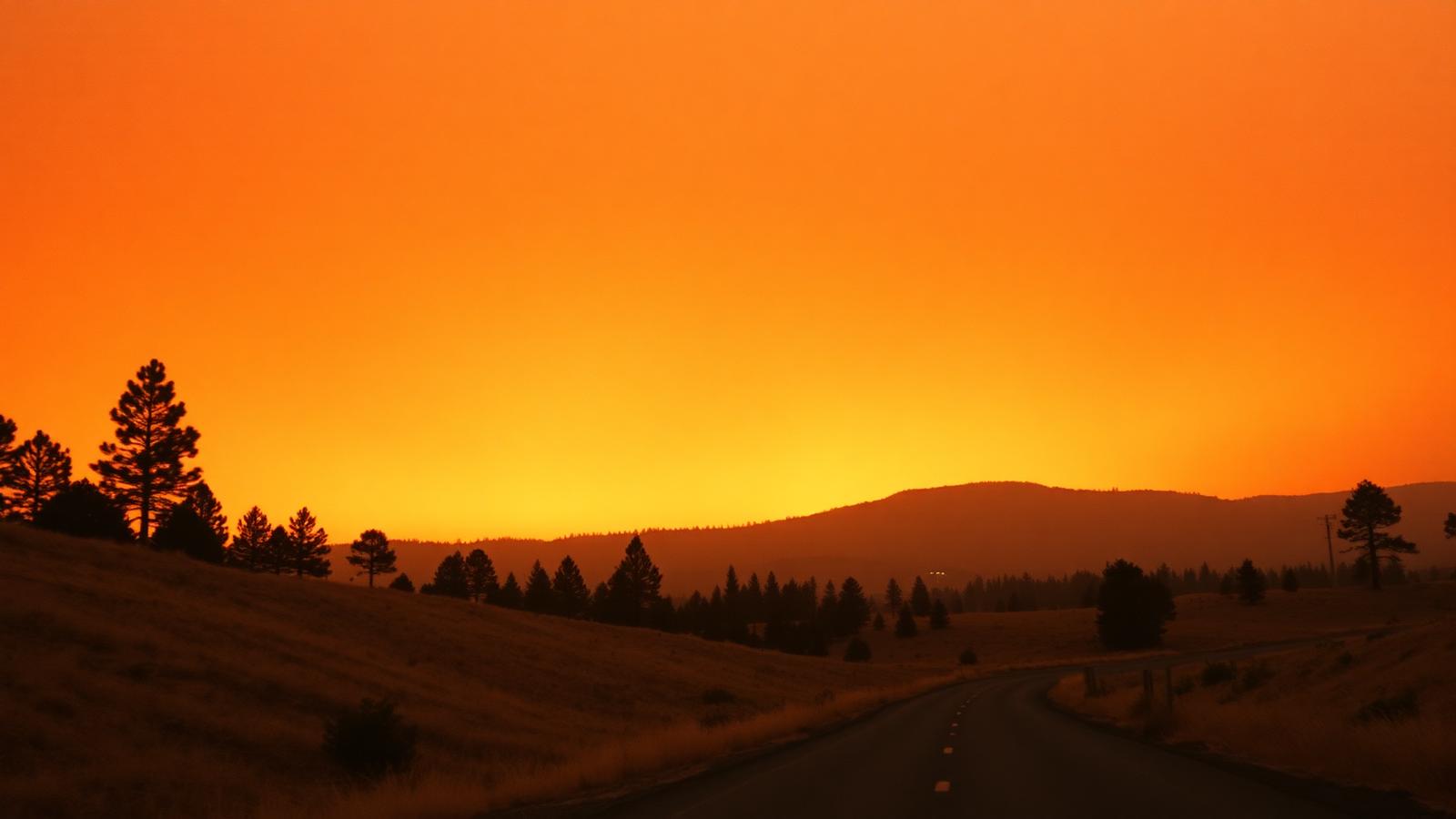
Orange wildfire smoke haze over dry hills with a rural evacuation road leading away from the ridge
Wildfire evacuation

Skill gaps found before the smoke

The situation

A squad in the wildland-urban interface reviews its readiness in early summer, ahead of fire season.

The gap

The coverage map showed strong medical and food skills, but nobody with large-animal handling or a livestock trailer — and four households kept horses or goats.

Who did what

  • Coverage reviewSquad inventory surfaced the animal-evacuation gap in minutes
  • New member (rancher)Recruited through complementary-skill search; brought a trailer and handling experience
  • Certification pushThree members completed wildfire-readiness and first aid coursework
  • Go-bag auditStandardized documents, medications and pet supplies across households

Outcome

When a voluntary evacuation notice arrived, animals and people staged in a single organized movement instead of an improvised scramble.

The most valuable output of a squad map is the gap it exposes while there is still time to fill it.